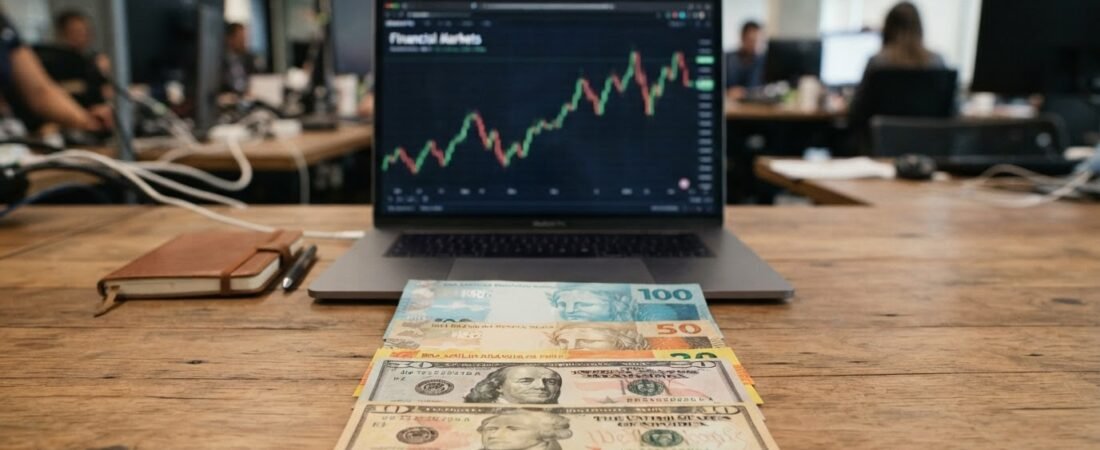
Debates over Brazil’s federal budget and fiscal adjustment measures matter to more than investors. Perceptions of public-finance risk can influence exchange rates, interest rates and, over time, costs for households and businesses. The relationship is not automatic: the dollar also responds to US policy, international trade and global risk appetite.
Why Are Markets Watching Brasília?
When the government proposes fiscal measures, investors assess how much the proposals could actually save, which measures require congressional approval and how they may affect public debt. Announced proposals are not the same as realized savings. Predictable rules and budget execution are central to risk assessments.
How Could a Stronger Dollar Affect Consumers?
Imported electronics, equipment and other goods purchased in foreign currencies can become more expensive. Oil prices and exchange rates can affect fuel costs, although taxes and commercial policies also matter. International travel may cost more in Brazilian reais. Some dollar-denominated costs may eventually be passed on to domestic prices, depending on the industry and demand.
What About Interest Rates?
Brazil’s central bank sets the Selic benchmark rate with price stability in mind. Inflation expectations, financial conditions and economic activity influence its decisions. Higher rates make some forms of borrowing more expensive and can improve returns on certain conservative investments, depending on the product and contract.
What Changed in November’s Fiscal Debate?
Congress approved budgetary credits largely related to spending already included in the 2026 budget. Discussions about adjustment measures for future years remain important. Authorizing expenditure, announcing future savings and delivering actual fiscal results are three different things.
What to Watch Next
Investors and households can monitor government proposals, congressional votes, inflation expectations, central bank communications, fiscal results and exchange-rate developments. An isolated market move does not prove that any single political decision caused it.
What Is Your Biggest Economic Concern?
The dollar, inflation, borrowing costs or public debt? Share your views in the comments. INCOMENT examines the economic effects of policy without endorsing political parties.
Official sources: Central Bank of Brazil, Brazilian Treasury and Chamber of Deputies. This article is for information only and is not investment advice.